Neck Pain
Neck pain is the second most common complaint we treat. Most neck pain is overwhelmingly the result of poor postural habits and lifting strategies. The pain we feel — whether in the neck, the shoulder(s), or down the arm(s) — is the body’s request for change, not an indication something is broken, needing to be “fixed.” By taking the time to understand the problem and how it behaves, we can apply the right tool for the job — only then can we achieve a solution.
WHAT IT IS
Neck pain is most commonly of mechanical nature, meaning how we move and use our body. If your neck pain changes — for better or worse — with varying movement and positions accompanied by stiffness or loss of range of motion, you likely are suffering from mechanical neck pain.
Acute neck pain is an episode lasting no longer than six weeks, which is more common than chronic neck pain lasting longer than three months.
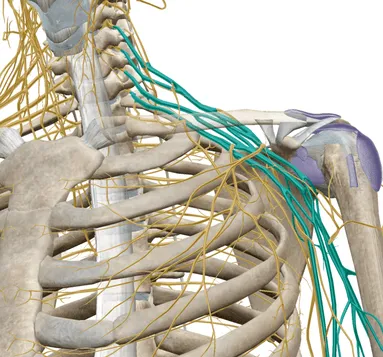
Because the nerve supply to your arms stems from the spinal cord within the spinal column, poor spinal mechanics can alter the signals from your brain to the muscles. It is not uncommon to experience symptoms such as pain, muscle weakness, or numbness and tingling anywhere down your arm(s), with or without local neck symptoms!
WHAT IT ISN’T
The pain we feel is simply a request from our brain to change. Pain is often not associated with damage, rather a very apparent alert we need to change our physical behavior or else physical impairment will proceed.
Mechanical neck pain does not have to be debilitating.
Just because you have neck pain doesn’t mean you need an MRI. Just because your MRI shows “degeneration,” “disc bulges,” or “arthritis,” doesn’t mean it’s generating your pain. And just because you have neck pain does not mean you’re broken, needing to be “fixed”. Neck pain is often unassociated with aforementioned structural changes commonly found from imaging, e.g. X-ray, CT scan, MRI. Furthermore, there’s a high prevalence of interpretive errors between radiologists. So, not only does imaging your spine result in a high rate of irrelevant findings, the professionals interpreting them cannot concisely agree upon diagnoses!
To learn more about the problems of MRI regarding muscle and joint pain, click here to read our evidence-based blog post on the topic.
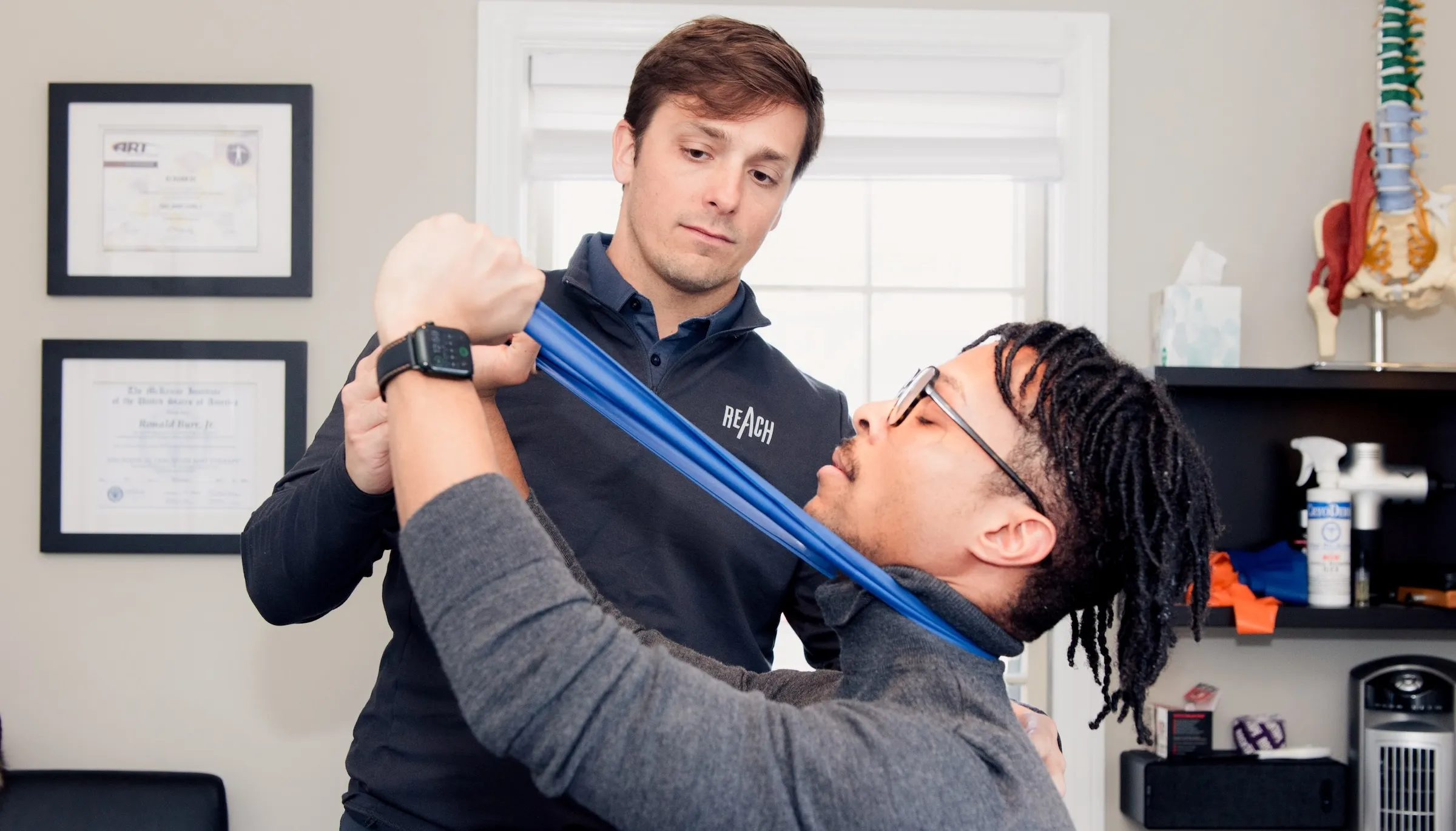
We have assessed and successfully treated many medical diagnoses where the source of the problem is located at the spine.
Examples include:
- Upper back pain
- Shoulder pain/impingement
- Shoulder blade pain
- Jaw pain
- Arm weakness
- Tennis elbow
- Golfer’s elbow
- Numbness/tingling in the fingers
- Thumb pain
In rare cases, neck pain can indicate a serious medical problem requiring immediate attention.
If you experience dizziness, double vision, difficulty speaking/swallowing, direct trauma, or unexplained weight loss accompanied by neck pain, seek immediate medical attention.
Is Your Breathing Making Your Neck Sore?
You take somewhere between twenty and thirty thousand breaths a day. If most of those breaths happen high in your chest, the muscles around your neck may be doing more of the work than they need to.
When breathing gets shallow or chest-dominant, the accessory muscles around your neck and upper chest can help lift the rib cage with each breath. Your diaphragm should be doing most of the heavy lifting, with expansion through your abdomen and rib cage.
Stress can push us toward this pattern, and after a while, you may not even notice you’re doing it.
Then you wonder why your neck is sore by the end of the day. Asking those muscles to help with thousands of breaths certainly isn’t helping.
The video below shows you a simple way to check your breathing pattern.
Why Your Neck Hurts When You Drive
Most people notice it when they turn to check a blind spot.
But your neck isn’t always the only place that’s restricted.
Your mid back rotates too, and it should contribute when you turn your head. If your mid back isn’t moving well, your neck has to pick up more of the motion. That’s when checking the blind spot starts feeling a whole lot harder than it should.
It’s easy to blame the neck because that’s where you feel it. But sometimes the better question is what isn’t moving somewhere else.
That’s one of the things we’d check in a movement assessment.
COMMON TREATMENTS FOR NECK PAIN
The most common treatments are rest, medication, physical therapy, chiropractic, acupuncture, massage, and other various conservative therapies.
While most acute bouts of neck pain will resolve on their own within a few weeks, the risk of recurrence is very high. The greatest risk of injury is the previous injury — if you’ve done it once, it’s very likely to happen again.
Few individuals need surgery for neck pain. Have a disc bulge? Even if it’s relevant, disc herniations have been shown to resolve on their own without surgery.
If you have intense and unrelenting radiating pain down the arm with progressive muscle weakness, or specific structural problems not responding to conservative therapy, surgery may be warranted.
WHAT YOU CAN DO ABOUT NECK PAIN
With all mechanical pain, there’s a ‘what’ and a ‘why’ — what the problem is and why it’s occurring in the first place. To achieve resolution it’s crucial to not only identify and correct the problem at hand but address the behaviors which lead to the issue’s occurrence. Here are some self-help tips:
- Keep moving
- Watch the “3 Tips” video above
- Avoid sitting for longer than 30-minutes at a time
- Take micro-breaks: stretch, use the bathroom, grab a snack, move around
- Sit with upright posture with lumbar support
- Take mental notes of what you are doing when your pain feels better or worse to identify any behavioral patterns
STILL STRUGGLING WITH NECK PAIN? WE CAN HELP!
Our approach isn’t to just “fix” the problem, rather understand what it is and what it isn’t, so the correct treatment is applied to the right problem — only then can we achieve a solution. Why use a hammer if you’re not positive it’s a nail? The last thing you want is to hammer away at a screw!
REACH initiates treatment for the pain by utilizing the Mckenzie Method (MDT). MDT is a proven system of examination, treatment, and classification of spinal, joint, and other musculoskeletal pain, backed by years of research, evidence, and practice. The System has been shown to be low cost, fast, and effective even for chronic pain.
By exploring simple movements in repetition that improve or worsen your symptoms and functional baselines (e.g., walking, stepping, lifting, reaching, bending, muscle strength), we can understand how your pain behaves.
If a mechanical force caused the problem then it is logical that a mechanical force may be part of the solution. The MDT system is designed to identify the mechanical problem and develop a plan to correct or improve the mechanics, thus decrease or eliminate the pain and functional problems. Further, the system tells us what treatment tool to use at the appropriate time, eliminating the guessing game.
Once we identify a movement(s) which improves your baselines, you’re on your way to controlling your pain yourself, not needing your chiropractor on a repetitive basis. If your problem is something we are unable to treat, the McKenzie assessment will tell us this within the first few visits, and then we recommend the next best course of action to find you a solution.
Not sure if we can help? Call or text us at (734) 335-0212 and we’ll point you in the right direction.
Related Reading
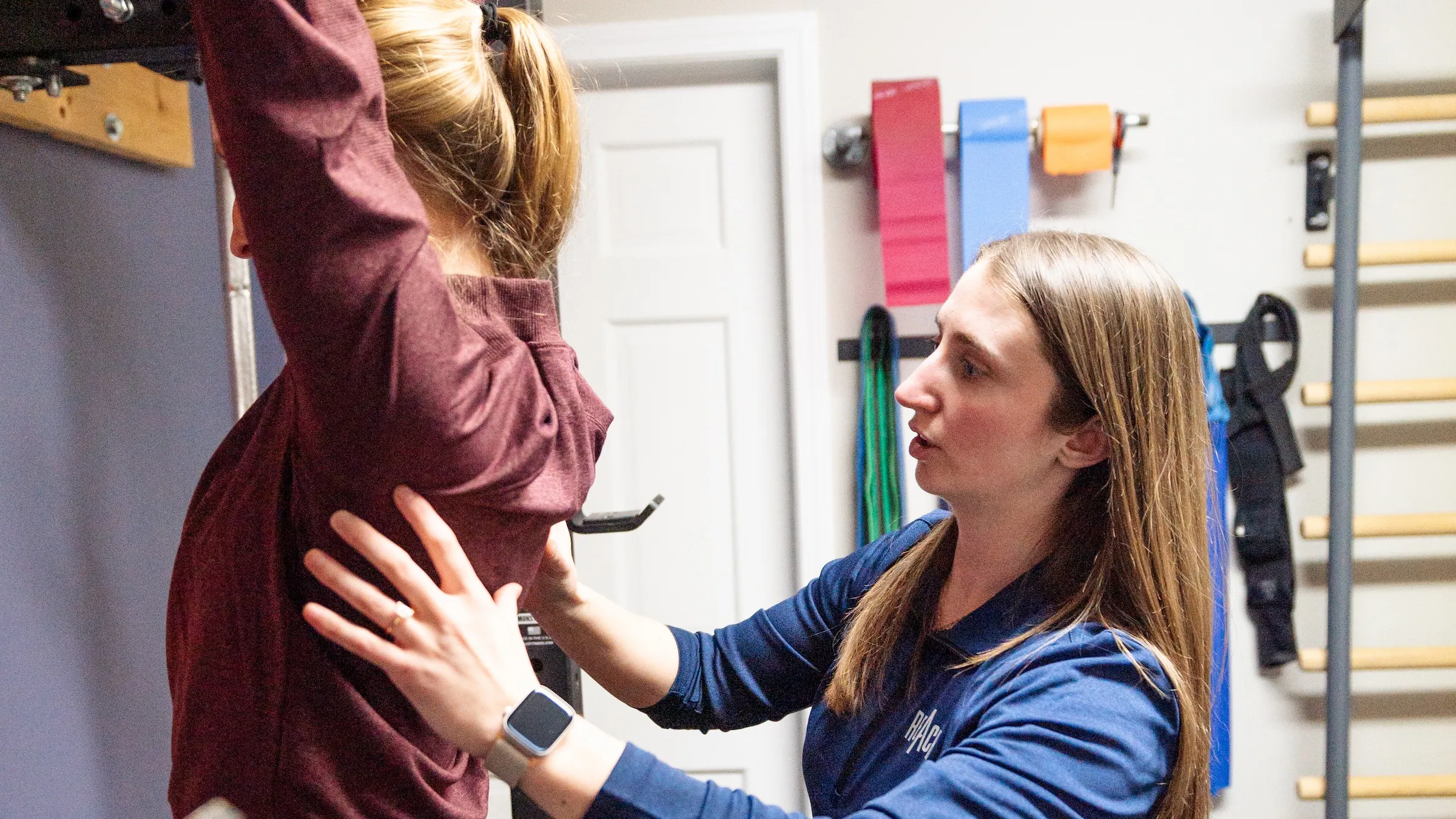
Can You Overcorrect Your Posture?
Yes — bracing into a rigid 'perfect' posture creates its own tension and pain. Here's why a few minutes of movement beats holding any positi
Read article →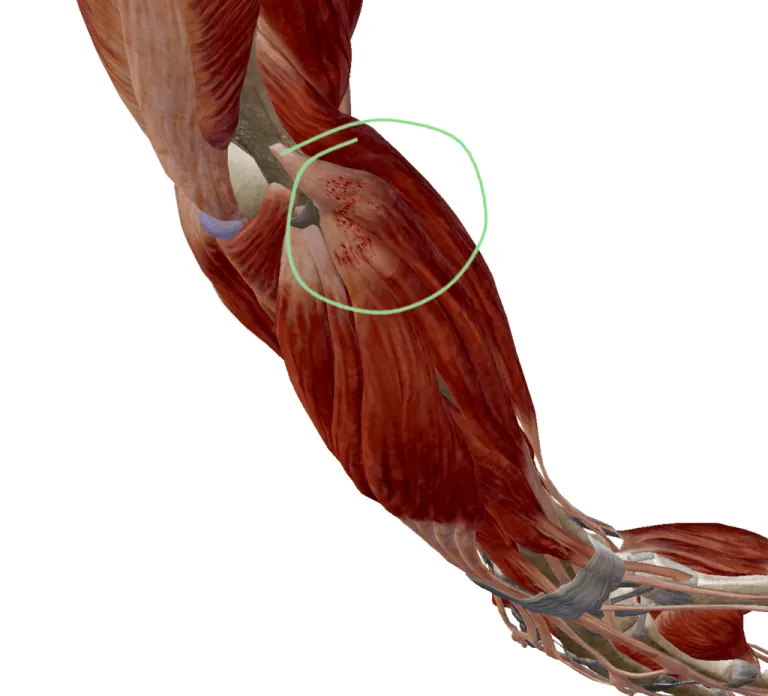
Can Tennis Elbow Cause Shoulder or Neck Pain?
Tennis elbow that isn't responding to treatment can actually be a neck or shoulder problem. Here's how to check before you keep treating the
Read article →
Neck Pain Going Into Your Shoulder or Arm? Here’s What to Check First
Neck pain going into your shoulder or arm? Here's a first-pass screen, when not to self-test, and when to get evaluated.
Read article →Ready to get started at REACH?
5.0★ rated by 450+ patients across Plymouth and metro Detroit. Booking online is the fastest way in — or call/text (734) 335-0212.
Book Your First Visit →