Care Built Around What's Driving Your Pain
Living with sciatica can make your world smaller—fast. That sharp, zapping pain down the leg can turn normal stuff like sitting, driving, training, or even walking the dog into a constant negotiation.
At REACH Rehab + Chiropractic in Plymouth, MI , we don’t treat sciatica with random care or a cookie-cutter protocol. We figure out what’s actually driving your symptoms , build a plan around your goals, and track progress as you improve—so most people need less care over time, not more.
Understanding Sciatica Pain and Its Impact on Your Life
Sciatica is one of those things people try to “tough out”… until it starts changing how they live. You sit differently. You avoid walks. You stop lifting. You dread car rides. Not because you’re weak—because your nervous system is doing its job and yelling “hey, something’s irritated.”
Sciatica usually means the sciatic nerve is irritated somewhere near the low back or pelvis, and the symptoms can travel down the leg—pain, tingling, numbness, or weakness. The tricky part? The same symptom can have different causes , and the plan depends on the driver.
The earlier you get it assessed, the faster you can stop guessing and start doing the right things. Not because you’re “broken,” but because the longer you compensate, the more your body learns protective patterns that are hard to undo.
Real Stories, Real Relief
At REACH Rehab + Chiropractic, we work with people dealing with sciatica every week—active adults, desk athletes, parents, and weekend warriors who just want their leg pain to stop running their schedule. The reviews below are from patients who went through our process: clear assessment, a tailored plan, and progress you can actually feel.
Dr. Burr is great! Not a traditional chiro where you come 3x a week forever. He genuinely wants to heal and gives you tips to use to actually feel better. Couldn’t recommend enough.
— Casey Lilly, Google reviewI really like the holistic approach REACH provides. I’ve even brought my kids here and they have helped with providing long term exercises to help strengthen and increase their flexibility. Highly recommend!
— Nasha Vida, Google reviewHighly recommend Dr. Kent at Reach! She’s extremely knowledgeable, listens carefully to all concerns, and focuses on more than just adjustments. The tools and exercises she provides to do at home have made a big difference in how I feel day to day.
— Sarah Sattler, Google reviewMost Sciatica Isn’t What People Think It Is
Sciatica is a symptom, not a diagnosis. It tells you the sciatic nerve or one of the nerve roots that feeds into it is irritated. It doesn’t tell you why.
And not all pain running down the leg is sciatica. That’s the first thing worth sorting out.
The bigger misunderstanding is what sciatica means. Pain shooting down your leg feels serious, so it’s easy to assume something must be damaged and that you’ll need an MRI, injection, or surgery to fix it.
But pain and damage aren’t the same thing.
Bend your finger backward far enough and it hurts. The pain is real, but you haven’t necessarily injured your finger. Nerves can become irritated or sensitive too. Compression can play a role, but so can inflammation and the way a nerve responds to certain movements, positions, and loads.
That’s why the first question isn’t just, “Where does it hurt?”
It’s “What changes it?”
For a lot of people, the answer is surprisingly ordinary: sitting too long, repeated bending, certain positions, training loads, or simply doing more than the area currently tolerates.
And that’s useful information, because if we can change the symptoms by changing what you’re doing, we have somewhere to start.
What Sciatica Isn’t
Sciatica isn’t a life sentence—and it’s not something you’re supposed to “just deal with.” It’s also not simply “back pain.” Sciatica is a nerve irritation pattern, and it often needs a different approach than generic stretching, rest, or trying to avoid movement forever.
It’s also rarely solved by shutting everything down. For many people, the turning point is the opposite: the right kind of movement, the right progression, and the right plan. That usually means targeted treatment that matches the driver, plus a guided return to the activities you care about—so you’re not just chasing relief, you’re rebuilding confidence and capacity.
Understanding what sciatica isn’t helps take the mystery out of it. And when the mystery goes away, the plan gets clearer—and the problem gets a lot more manageable.

When Sciatica Is Serious
Most sciatica isn’t an emergency. But there are a few symptoms you shouldn’t sit on and hope disappear.
Get evaluated promptly if you’re developing progressive weakness or loss of function, such as foot drop or a leg that keeps giving way.
Seek urgent medical care for new numbness around the groin or saddle area, or new difficulty controlling or emptying your bladder or bowels.
And if your pain is severe, unexplained, doesn’t change with movement or position, or comes with things like fever, unexplained weight loss, recent significant trauma, or a history that raises concern, that’s worth getting checked rather than trying to troubleshoot it yourself.
Those situations aren’t the norm. But they’re important enough to know about.
Try This Yourself
Sit down and straighten one leg out in front of you. Pull your toes toward you and gently drop your chin toward your chest. Then try the other side and compare.
There’s a standing version too. Stand tall, keep one leg straight, bend the other knee slightly, and reach toward the toes of the straight leg. Switch sides and compare.
You’re not trying to diagnose yourself here.
You’re looking for a difference. Does one side feel noticeably tighter? Does it reproduce the familiar pulling, tingling, or pain down your leg? Does changing your head, back, or ankle position change what you feel?
Those clues can suggest that the nervous system is involved, but they don’t tell you the source by themselves. That’s where a mechanical exam becomes useful.
What to Expect: Your Roadmap to Relief
At REACH, we don’t do cookie-cutter care, and we’re definitely not here to sign you up for months of unnecessary 3x/week adjustments. The goal is simple: get clear on what’s driving your sciatica, build a plan that fits you, and help you make measurable progress. Here’s what that looks like:
We start with a real conversation and a focused exam. We’ll look at your symptoms, history, and the activities that trigger it, then test movement to identify the most likely “driver” behind your sciatica.
Based on what we find, we map out a plan tailored to your goals. You’ll know what we’re doing, why we’re doing it, and what progress should look like, so nothing feels random.
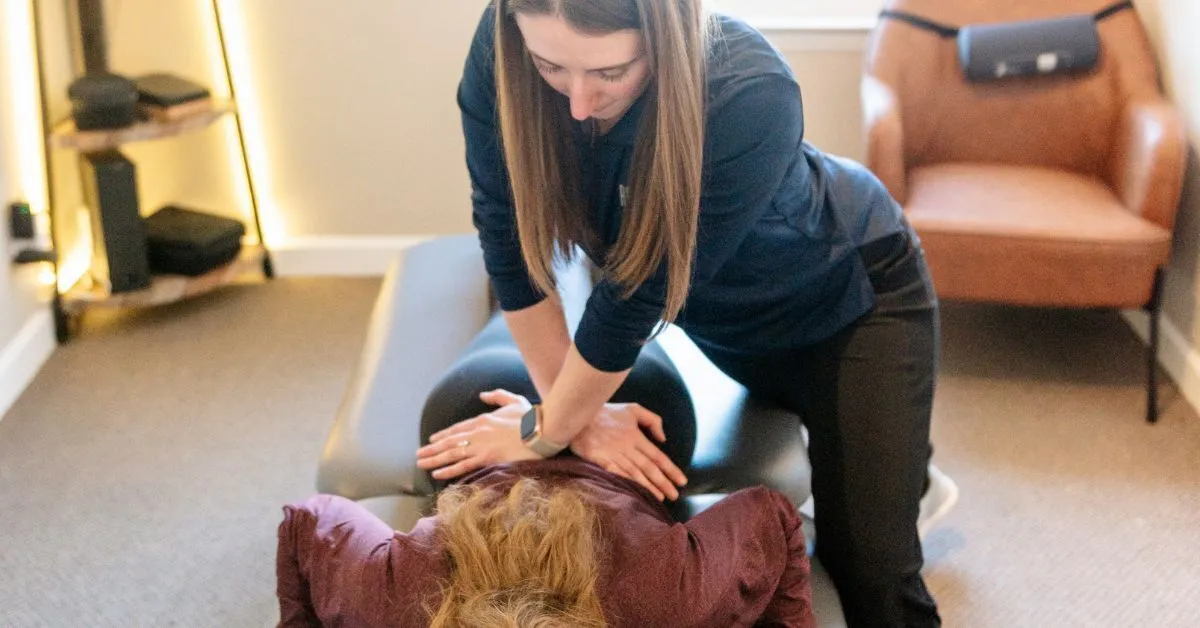
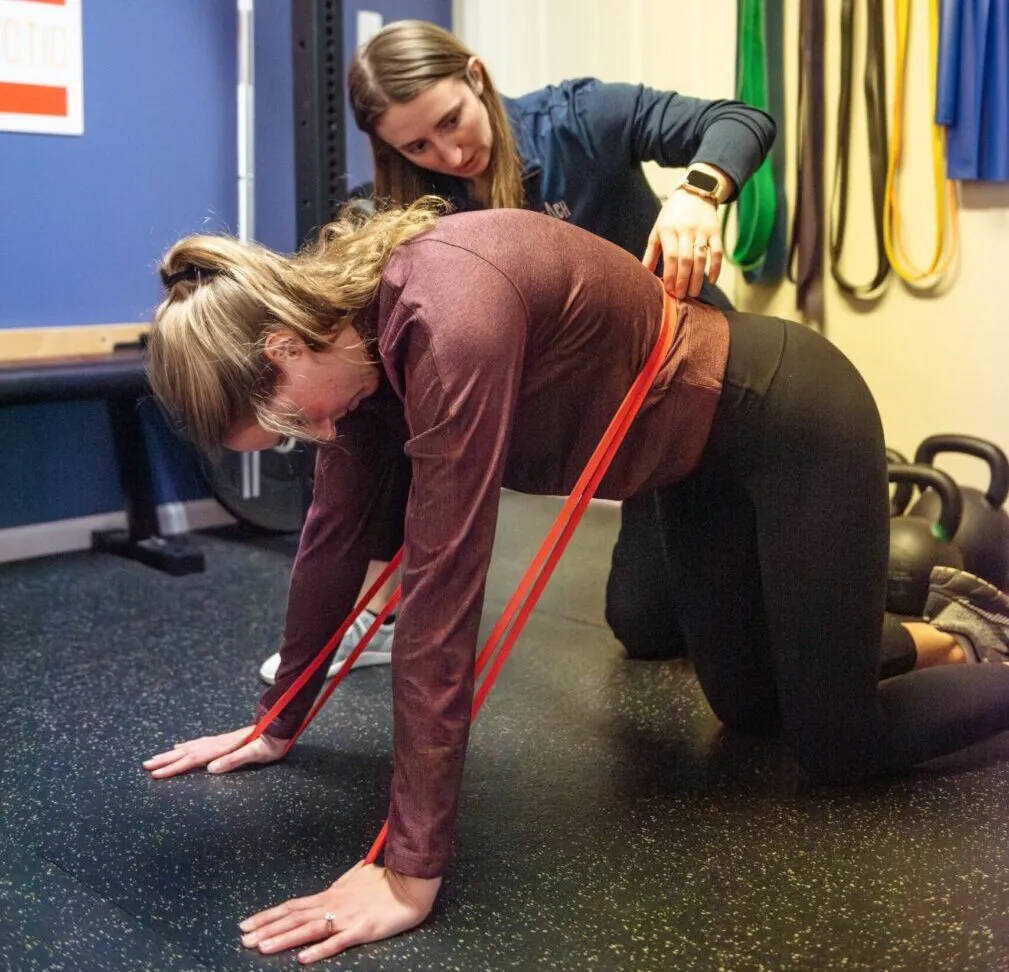
Most people do best with a mix of the right hands-on care and the right exercises. That may include chiropractic and joint mobilization techniques, soft-tissue work, specific movement strategies, and rehab exercises designed to reduce irritation and restore movement confidence.
We don’t just help you feel better, we help you stay better. You’ll learn the key drills and progressions that keep your back and nerve symptoms from running your schedule, and how to scale activity the right way as you return to normal life.
We’re not in the business of keeping you in treatment—we’re in the business of getting you back to doing life. We’ll tailor your plan, track progress, and teach you how to stay strong long-term. Most people graduate to less care—not more—while knowing they can check in anytime if a flare-up shows up later.
Why Yours Keeps Coming Back
If your sciatica keeps returning, the question isn’t just how to calm it down again.
It’s why does it keep getting re-irritated?
The nerve is where you feel it. The source may be somewhere else.
So we look for the pattern. What movements bring it on? What positions make it worse? When during the day does it show up? What makes it settle? Does the pain move farther down the leg, or does it retreat back toward the hip or low back?
Then we ask one of the most useful questions in a mechanical exam:
Can we change it?
If your symptoms predictably change with movement or position, that’s useful information. It gives us something to work with and can help guide which movements to use, which ones to temporarily modify, and how to start rebuilding your tolerance.
That’s a much better starting point than assuming pain down the leg automatically means you need an MRI, injection, medication, or surgery.
Exploring Sciatica Treatment Options at REACH Rehab + Chiropractic in Plymouth, MI
We provide a clear path forward for people dealing with sciatica—especially if you’re tired of guessing. Under the guidance of Dr. RJ Burr and our team , we focus on identifying what’s driving your symptoms and building a plan that matches your body and goals. That might include chiropractic care , targeted soft tissue work, and progressive rehab strategies—aimed at reducing nerve irritation, restoring movement, and building the capacity that keeps flare-ups from running your life.
We also know sciatica doesn’t just affect your back—it affects your decisions. People stop lifting. They avoid car rides. They sleep differently. They worry about “making it worse.” Part of our job is giving you clarity and a step-by-step plan so you can move forward with confidence—not fear.
Not Sure If We Can Help? Find Out for Free
Getting past sciatica can feel overwhelming—mostly because the advice is all over the place. The good news: with the right assessment and a clear plan, most people start to feel momentum pretty quickly.
At REACH Rehab + Chiropractic , we’ll help you understand what’s driving your symptoms, map out the next steps, and guide you back to normal life with a plan that’s tailored to you—not a template.
Ready for clarity, but just not sure if we can help? Schedule a complimentary consultation to find out if our approach makes the most sense for your sciatica. No Fluff. No surprises. Just answers.
Frequently Asked Questions
What is sciatica, and what causes it?
Sciatica is a symptom pattern , not a single diagnosis. It usually means the sciatic nerve is irritated, which can create pain (and sometimes tingling, numbness, or weakness) that travels from the low back or buttock down the leg.
Common “drivers” include disc-related irritation, spinal stenosis, joint irritation, or overload from repetitive bending, prolonged sitting, and movement patterns your body can’t tolerate yet . At REACH, the goal is to identify what’s driving your symptoms and build a plan that matches your body, not a generic template.
What are the common symptoms of sciatica?
Most people notice one or more of these:
- Pain that travels into the buttock, thigh, calf, or foot (often one side)
- Burning, tingling, or numbness in or down the leg
- Pain that changes with sitting, bending, standing, or walking
- A feeling of weakness or heaviness in the leg
If your symptoms are limiting sleep, driving, work, or training—or you’re changing how you move to “protect it”—that’s a good sign it’s time for a real assessment.
When should I see a chiropractor or physical therapist for sciatica?
If your leg pain is lasting more than a week or two, keeps coming back, or you’re stuck in “stretch it and hope” mode, it’s worth getting it assessed. Sciatica isn’t one diagnosis—it’s a pattern (nerve irritation) and the right plan depends on what’s actually driving it: disc-related, joint irritation, stiffness, or sensitivity of the nerve itself.
At REACH , we don’t start with a cookie-cutter protocol or generic exercises. We start with an exam to pinpoint the driver , then build a tailored plan that usually includes the right hands-on work plus specific rehab to build capacity so you’re not living in fear of the next flare-up. Most people “graduate” to less care—not more—because the goal is independence, not dependency.
General info only—not medical advice. If you have progressive weakness, numbness that’s worsening, or bowel/bladder changes, seek urgent medical evaluation.
Is sciatica always caused by a herniated disc?
No. A disc can be the driver, but it’s not the only one. Sciatica symptoms can result from stenosis, joint irritation, nerve sensitivity, or mechanical overload from repetitive movement, prolonged sitting, or activity levels that exceed your capacity.
That’s why “one-size-fits-all” advice fails. Two people can have the same leg pain and need two different plans. The goal of an exam is to identify the most likely driver so your treatment actually makes sense.
Do I need an MRI for Sciatica?
Not always. Imaging can be helpful in certain cases, but it isn’t automatically required, especially early on. Many people improve with the right plan based on a thorough exam and how your symptoms respond to specific movements and positions.
If imaging is appropriate given your presentation, we’ll explain why and what we’re looking for. The goal is clarity, not unnecessary collecting tests.
What are “red flags” that mean I should get checked urgently?
If you notice worsening weakness , numbness that’s spreading, significant changes in balance, or bowel/bladder changes , don’t wait—seek urgent medical evaluation. Those situations are less common, but they matter.
For most people, sciatica is very treatable, but it still deserves the right decision-making early.
What makes REACH Rehab + Chiropractic’s approach to sciatica treatment unique?
We treat sciatica like a problem to solve , not a symptom to chase.
That means we:
- Start with an assessment to identify the driver (so nothing feels random)
- Combine the right hands-on care with the right rehab (because pain relief without capacity doesn’t last)
- Track progress and adjust the plan as you improve
- Teach you what to do if a flare-up shows up later, so you’re not dependent on visits forever
The goal isn’t more treatment. The goal is a plan that gets you back to doing life—and helps you stay there.
What self-care measures can I take to manage sciatica pain?
The best self-care depends on the driver, but here are a few safe principles that help many people:
- Avoid total rest. Short walks or gentle movement often beat shutting everything down.
- Find positions that calm symptoms (for some: standing/walking helps; for others: certain positions reduce leg pain).
- Be careful with aggressive stretching if it increases tingling or pain down the leg.
At REACH, we’ll give you a simple, specific home plan based on your exam, because the “right” exercises for one person can flare up another.
Can chiropractic care prevent sciatica from recurring?
The goal isn’t to promise “never again.” It’s to make future flare-ups less likely, less intense, and easier to handle .
At REACH, hands-on care can help reduce irritation and improve movement, but long-term results usually come from building capacity: better movement options, strength, and a plan you understand. Most people graduate to less care, not more, because the end goal is self-management.
How long does it take to see improvement?
It depends on what’s driving your symptoms, how long it’s been going on, and how consistently you follow the plan. Many people notice changes early, but the bigger win is building durable improvement, not just a good day.
During your evaluation, we’ll outline what progress should look like and what factors tend to speed it up (or slow it down).
Can I still go to work or the gym during treatment?
Typically, yes. And we’re big fans of keeping you moving. The key is choosing the right activities and adjusting the dose so you don’t keep poking the bear.
We’ll coach you on what to keep, what to modify, and what to pause temporarily so you can recover while still living your life.
Is chiropractic care safe for sciatica?
Yes, when it’s matched to the right diagnosis and done with a plan. At REACH, we start with an exam to identify what’s driving your sciatica, then choose the right tools (hands-on care + rehab) based on what you can tolerate today .
With our combo of chiropractic, manual therapy, and physical rehab, we keep it calculated and response-based : we monitor how your leg symptoms respond, adjust quickly if something isn’t helping, and progress you toward strength and capacity.
How much does sciatica treatment cost?
Costs vary depending on what your exam shows and what plan makes sense for you. We’ll walk you through options, answer questions, and keep everything transparent—no surprise “packages” pushed on you.
More on Fees & Insurance here.
Do you accept insurance?
Yes, we work with your primary insurance plans—check our Fees & Insurance page here . Give us a call, and we can help verify your coverage and walk you through your payment options.
How can I schedule a consultation for sciatica treatment at REACH Rehab + Chiropractic?
Scheduling is easy! You can book your appointment online through our website or give us a call at (734) 335-0212 . Let’s work together to get you back to doing what you love, without the pain.
Related Reading
Why Does My Back Pain Keep Moving Around?
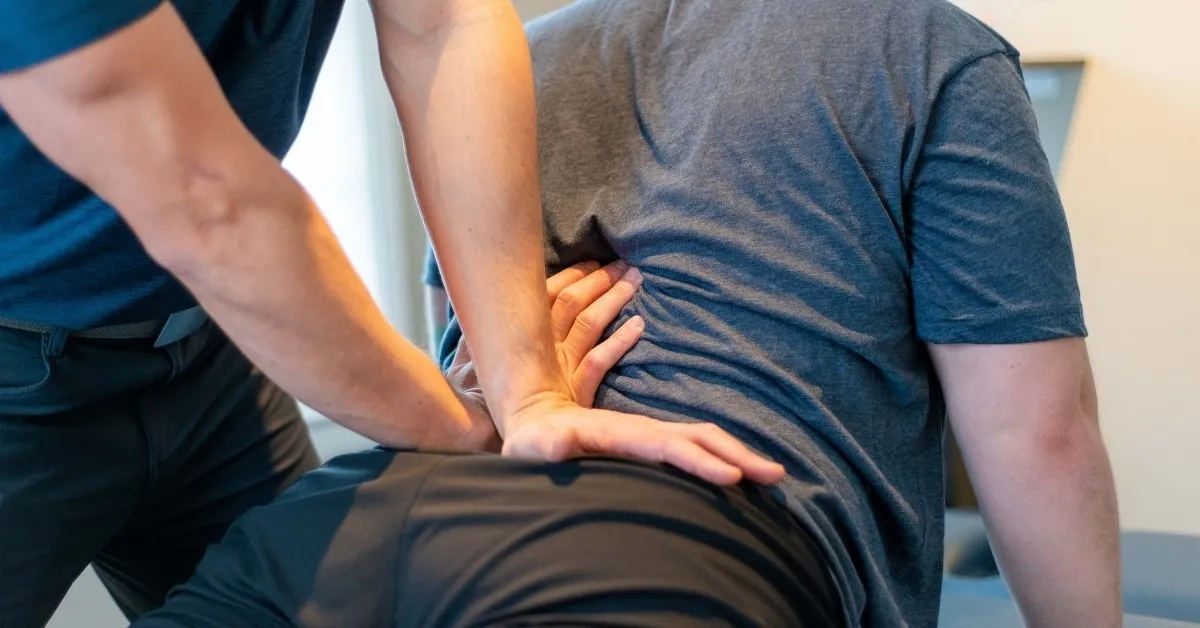
Why does back pain move around? It's often a mechanical signal, not random damage. Here's what shifting pain into your leg or knee actually
Read article →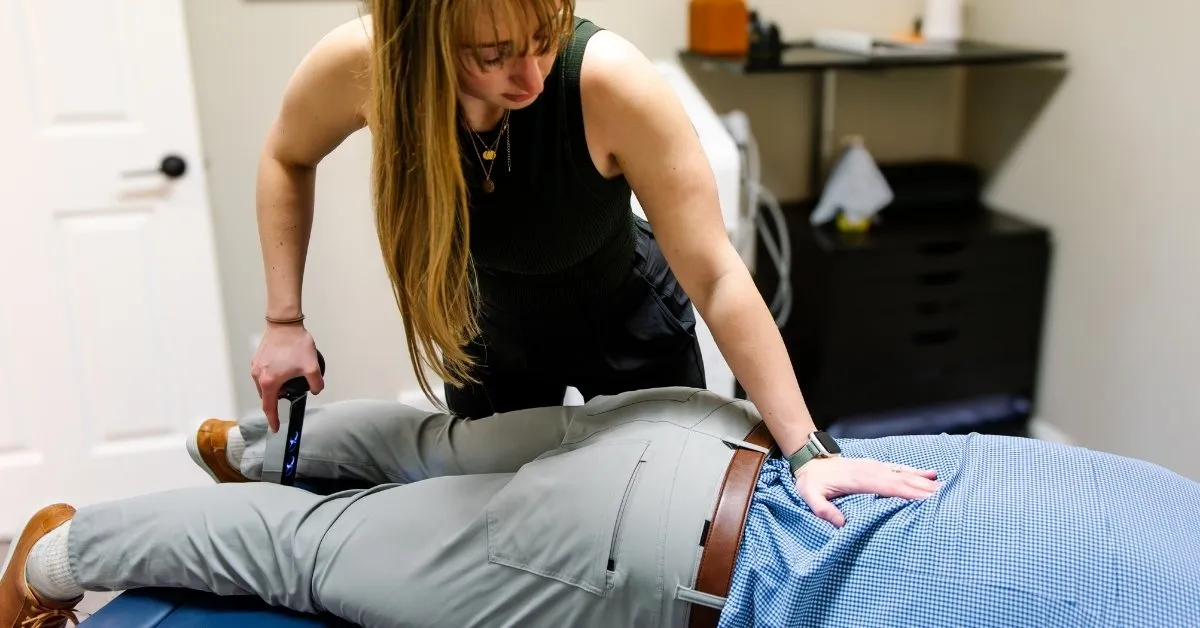
Why Passive Care Won’t Stop Your Pain from Coming Back
Passive care eases pain but rarely fixes why it returns. See how lasting recovery works for recurring pain in Plymouth, MI.
Read article →
Back Pain Going Into Your Hip or Leg? Here’s What to Check First
Back pain going into your hip or leg? Here's a first-pass screen, when not to self-test, and when to get evaluated.
Read article →Ready to get started at REACH?
5.0★ rated by 450+ patients across Plymouth and metro Detroit. Booking online is the fastest way in — or call/text (734) 335-0212.
Book Your First Visit →