
You’ve done all the “right” things for your back pain.
You went to physical therapy.
You saw a chiropractor (or maybe a few).
You got massages, bought the fancy massage gun, and followed along with that “10-minute low back fix” on YouTube more times than you can count.
And yet… your back is still the boss.
Your back has a mind of its own. It protests on long car rides, acts up when you try to get back to your workouts, and leaves you constantly pleading, “Please just don’t give out today.”
If that sounds a little too real, you are in the right place. Let’s talk about why your back still hurts despite your best efforts—and what it actually takes to change that for good.

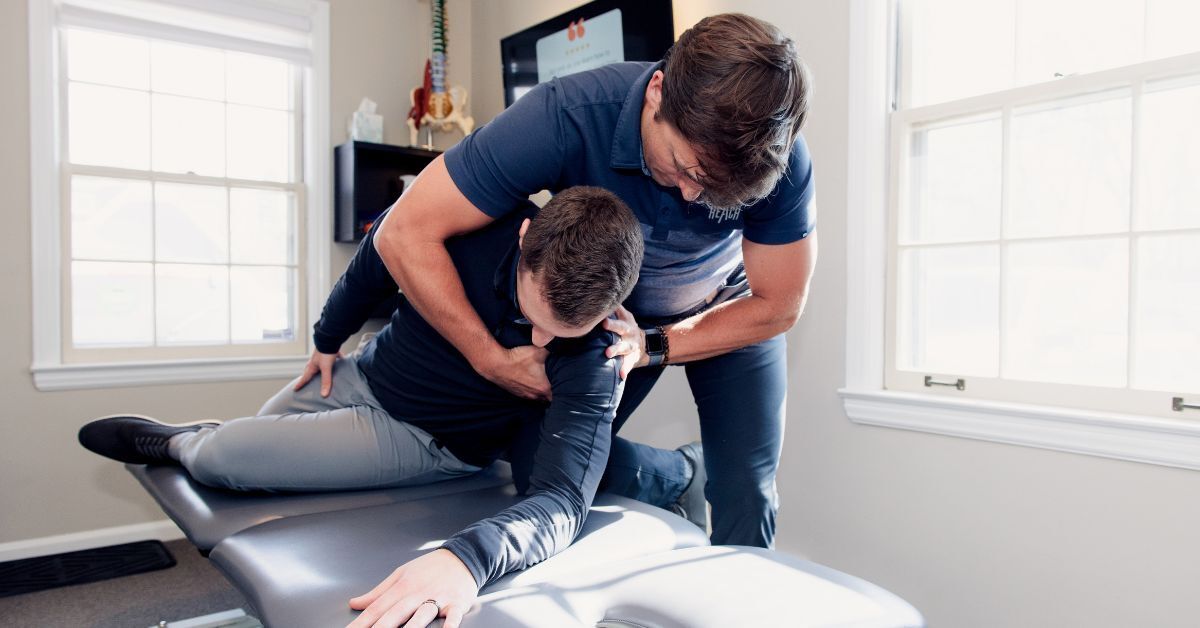
The Frustrating Truth: You’re Not the Problem
First things first: this is not a personal failure.
You’re not “lazy.” You’re not “non-compliant.” You are not broken beyond repair.
You’ve probably:
- Shown up to every single appointment.
- Done the prescribed exercises (at least for a while).
- Followed the instructions you were given.
Followed the instructions you were given.
- 10–15 minute visits with a quick zap from a machine and a couple of generic exercises.
- A treatment plan that looked suspiciously like the one given to the person before you.
- A focus on just calming down the noisy spot instead of asking why your back is angry.
…then it makes perfect sense that you’re still in pain. You’ve been given pieces of the puzzle, but nobody has put them all together.
What you’ve been missing is someone who sits down and says:
“Let’s figure out why your back is so upset in the first place… and then build a real plan to fix it for good.”
That’s the gap we fill here at REACH Rehab + Chiropractic. But before we dive into what actually works, let’s talk about why what you’ve tried so far hasn’t stuck.
3 Reasons Your Back Pain Lingers (Even After Trying “Everything”)
1. No One Looked at Your Body as a Whole System
Most treatments focus only on your back because… well, that’s where it hurts. The issue is, your back often isn’t the villain, it’s the victim. It’s taking the blame for problems happening elsewhere.
Common culprits we see at our Plymouth clinic include:
- Hips that have the mobility of a rusty hinge, forcing your low back to do their job.
- A “core” that’s all about crunches but has zero real-world control.
- Breathing patterns that keep your ribcage and low back locked in a constant state of stress.
- Old injuries—ankle, knee, even a shoulder—that sneakily changed how you move.
If no one has ever watched you squat, hinge, walk, reach, and breathe and then connected those movements to your pain, they’ve been trying to fix a software bug by staring at a single pixel.
At REACH Rehab + Chiropractic, your back pain evaluation is less of a “lie down and get adjusted” appointment and more like a session with a movement detective. We care about where it hurts, but we obsess over why it hurts.
2. You Got Short-Term Relief, Not a Long-Term Back Pain Solution
Many treatments provide temporary relief. Things like:
- Adjustments
- Modalities (stim, ultrasound, heat, ice)
- Massage and soft tissue work
These can be incredibly useful tools. But if every visit is just, “Come in, we’ll loosen you up, see you next time it flares,” that isn’t a plan. It’s a subscription model for pain management.
Your back keeps hurting because you never moved through the necessary phases of recovery:
- Phase 1: Calm the fire down.
- Phase 2: Correct the underlying movement issue.
- Phase 3: Build enough strength and resilience to handle your actual life.
Most people get stuck in a perpetual Phase 1. The pain subsides a bit, you feel better, life gets busy, you go back to moving the same way you always have… and boom. Same pain, new appointment. You don’t need a punch card for endless visits; you need a clear path from “flare-up” to “forgot I had a back problem.”
Schedule an AppointmentSchedule an Appointment
3. Your “Core Work” Didn’t Support Your Spine Correctly
Let’s talk about the “C” word: Core.
You’ve probably been told to:
- Strengthen your core.
- Do more planks.
- Stop doing sit-ups.
- Or maybe do more sit-ups (depending on who you saw).
Here’s the problem: core strength isn’t about doing more ab exercises. If your “core training” hasn’t addressed these three things:
- Alignment: Are your ribs, spine, and pelvis stacked in a way your body can actually use them effectively?
- Breathing: Are you using your diaphragm, or are your neck and low back doing all the heavy lifting just to breathe?
- Control: Can you maintain that alignment and breathing while you move, lift, twist, and live your life?
…then you’ve just been strengthening a faulty pattern, possibly making the problem worse. At REACH, we call this the Core ABCs: Alignment, Breathing, and Control. It’s not sexy or meme-worthy, but it’s the difference between, “My back is one wrong move away from disaster,” and, “My back just… works. I don’t even think about it.”
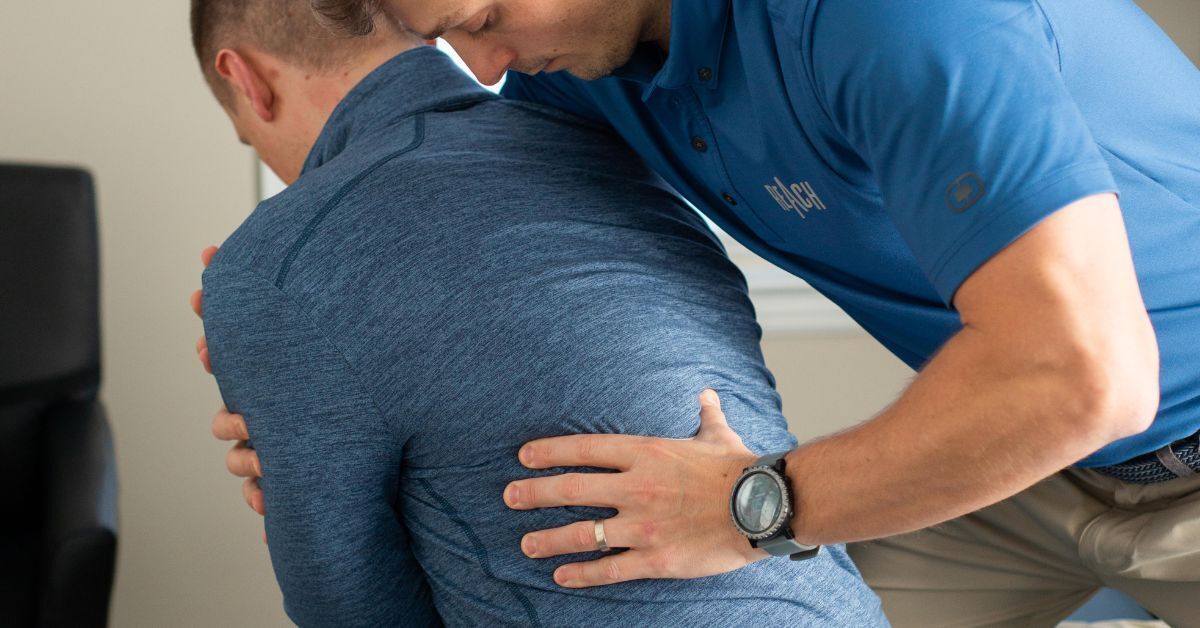
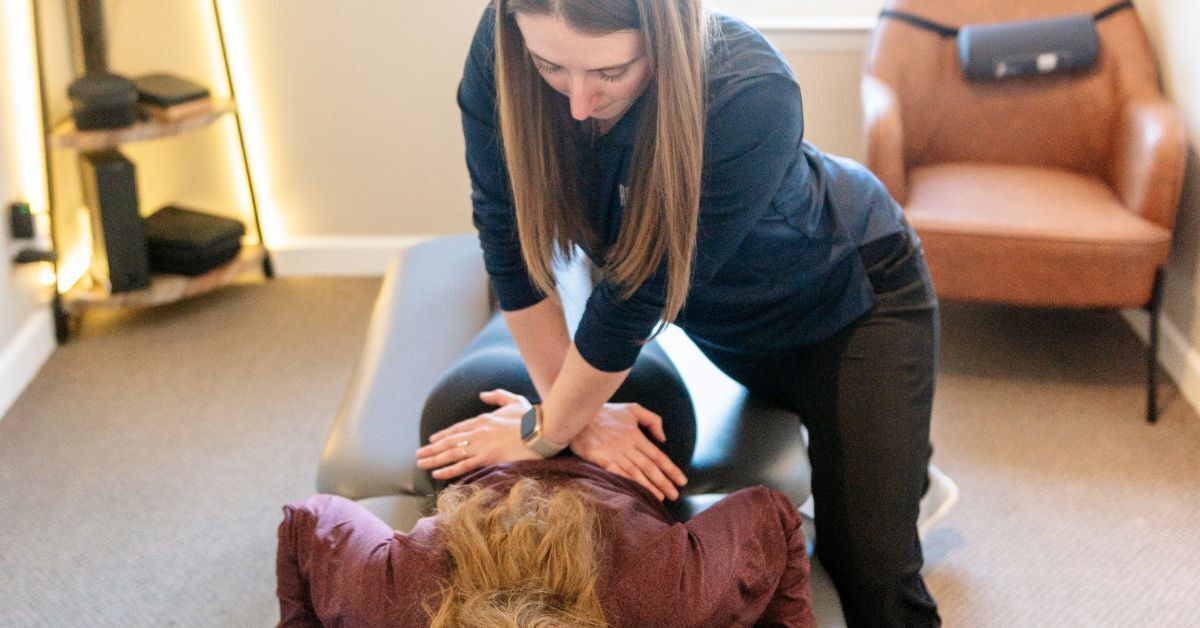
How We Provide Lasting Back Pain Relief in Plymouth, MI
This is how we approach stubborn, been-through-the-system back pain. Think of it as our “no more guessing, no more band-aids” philosophy.
Step 1: Get Genuine Clarity with a Real Assessment
Your first visit with us is not a quick look and a crack. We listen to your whole story—what you’ve tried, what helped, what didn’t. We run you through specific tests to figure out if your pain is coming from a disc, a joint, or a movement pattern. We watch you move: how you bend, sit, stand, and walk. We see how your hips, pelvis, and spine work together (or don’t).
We pull from evidence-based methods like McKenzie (MDT) and DNS, but we aren’t married to any single technique. We’re committed to what actually works for your body. By the end of that first session, you’ll finally hear: “Here’s what we think is really going on, here’s what makes it better or worse, and here’s the plan to change it.”
Step 2: Calm Things Down Without PamperingYour Back
Once we have a clear diagnosis, we start by reducing your pain and giving you one or two key movements that provide relief—not a 47-exercise PDF. We use hands-on work, adjustments, or other tools only when they support the overall plan. The goal isn’t to wrap you in bubble wrap; it’s to find what your back tolerates and build from there. You’ll leave knowing exactly what to do when it flares, what to avoid for now, and how often to do your exercises.
Step 3: Fix the Root Cause and Build a Stronger Back
This is where true change happens and where many other approaches fall short. We shift the focus from, “How do we get you out of pain?” to, “How do we make your back so resilient that it gets bored by the things that used to trigger it?”
This usually involves:
- Teaching you the Core ABCs (Alignment, Breathing, Control).
- Cleaning up how you hinge, squat, lift, and rotate.
- Gradually adding load to the movements that used to cause problems.
- Blending rehab with the demands of your real life—whether that’s golf, running, lifting weights, or lifting your kids.
Your plan becomes unmistakably yours. If you’re a desk worker who wants to pick up your toddler without wincing, we train that. If you’re a golfer who wants to swing without fear, we train that.
A Quick Story: “I Guess This Is Just My Back Now…”
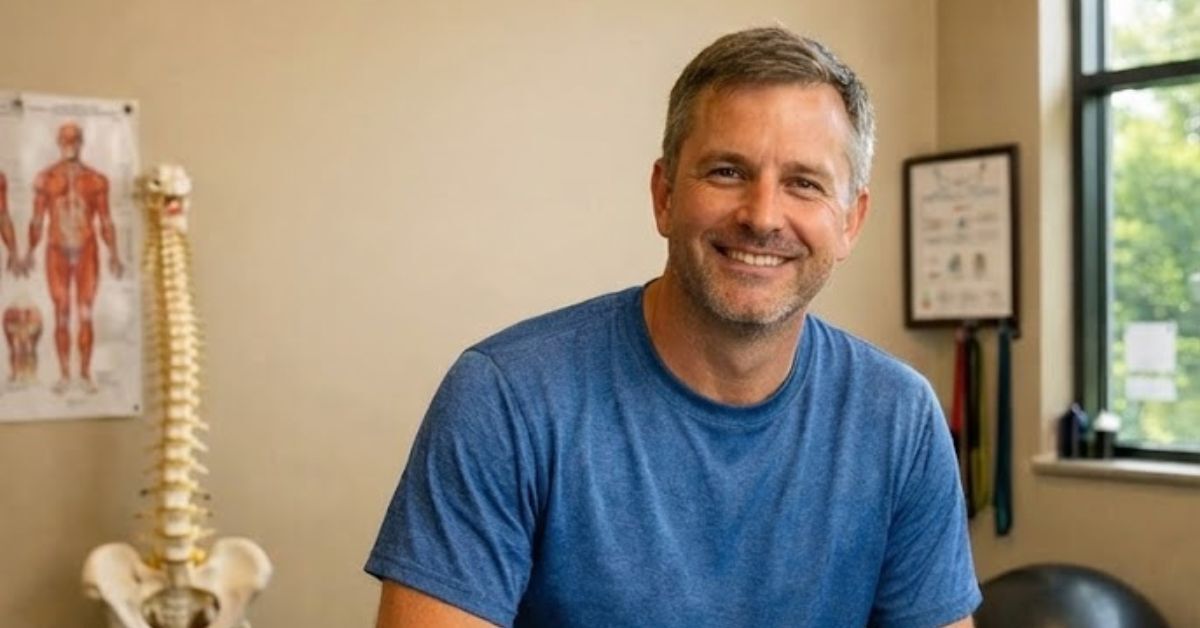
Let’s call him Mike. A 43-year-old dad who sits a lot for work and loves weekend golf. When he found us, he had already done two rounds of PT and seen a chiropractor for months, getting relief for maybe a day or two at a time. Every time he tried to play golf or work out, his right low back would flare up.
Here’s what we found: his pain improved with specific repeated movements, his pelvis and ribcage were in a dysfunctional relationship, and his “core” strategy was to just squeeze everything and hope for the best.
We built a plan that used one key movement to calm the pain, taught him the Core ABCs, and then progressed him to golf-specific movements. Eight weeks later, he was playing 18 holes without needing “recovery days” and, most importantly, he stopped organizing his life around his pain. That’s the whole point.

“Okay, But What If I’ve Really Tried Everything?”
A fair question. Here are some honest answers.
- “What if my MRI shows a disc issue or degeneration?” That’s incredibly common and not an automatic life sentence of pain. We help people with “imperfect” MRIs get better all the time by changing how they move and load their spine.
- “What if PT or chiro didn’t help before?” It happens. Our model is built around longer visits, deeper assessments, and integrated care that combines the best of chiropractic, rehab, and movement coaching. It’s a different experience.
- “I’m not an athlete. Can you still help me?” Absolutely. We work with everyone from competitive athletes to people who just want to walk the dog and sleep without pain. If you move and your back hurts, you’re in the right place.
- “Am I signing up for care forever?” Nope. Our goal is to help you understand your body, fix what’s driving the pain, and give you the tools to manage it yourself. We want you to move on with your life, not move into our waiting room.
What Life Looks Like When Your Back Isn’t in Charge
Imagine this, a few months from now:
- You roll out of bed without immediately scanning for what hurts.
- You can sit through a workday or drive to your kid’s game without constantly squirming.
- You can say “yes” to golf, running, or playing on the floor without calculating the risk to your back first.
- You no longer introduce yourself as “someone with a bad back.”
That isn’t a fantasy. It’s what happens when someone finally figures out why your back is angry and gives you a plan to fix it. That’s what we do all day at REACH.

Ready to Stop Guessing and Start Fixing Your Back Pain at REACH Rehab + Chiropractic?
If you’re near Plymouth, Canton, or Northville and you’re tired of your back calling the shots, here’s your next step: book a Comprehensive Movement & Back Pain Assessment at REACH Rehab + Chiropractic.
In that first visit, we will:
- Listen to your story and everything you’ve already tried.
- Test what your back does and doesn’t like.
- Analyze how you move, not just where you hurt.
- Give you a clear plan that actually makes sense.
No fluff. No pressure. Just honest answers and a path forward. Our job is to take the guesswork out of healing so you can be unstoppable. If you’re ready for your back pain to be a chapter in your story—not the whole book—let’s get you on the schedule.